
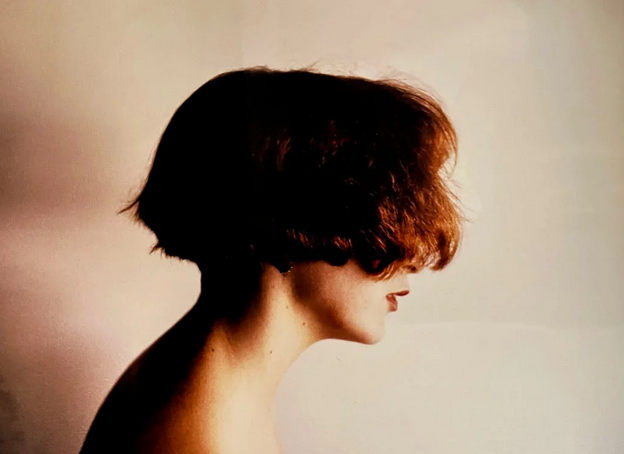
You made the chop. You were inspired, energized, maybe even a little smug. And then it flopped. Styling short hair isn’t as effortless as people make it seem. In fact, it’s easier to mess up than you’d think. If you’re eyeing the boldest short hairstyles for women, don’t stop at the cut. What happens after the salon chair matters just as much.
Using Too Much Product With Too Little Direction
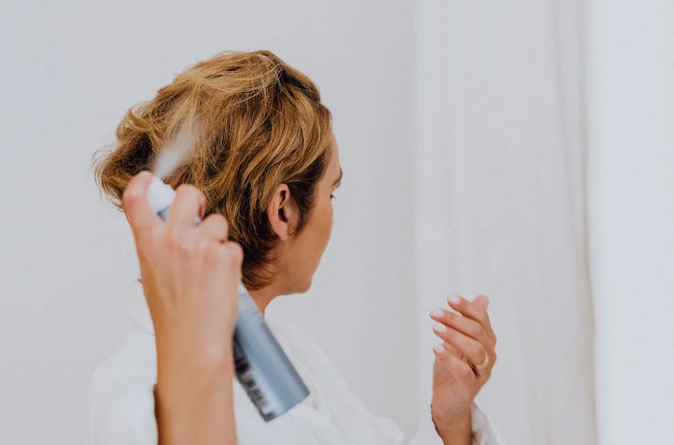
Short hair and heavy product don’t always mix. Pomades, waxes, pastes, it’s easy to overdo it, especially when you’re trying to “define” or “piece out” your style. The result? Greasy. Flat. Overworked. Instead, use a product like seasoning. Start light. Work with your fingers, not a comb. And for the love of volume, don’t apply styling cream.
Ignoring Your Hair’s Natural Texture
A shortcut doesn’t erase your curl pattern, your cowlick, or the way your strands behave after a humid walk. The biggest mistake? Fighting it instead of working with it. If your hair waves up, lean into the bend. If it sticks straight, maybe skip the daily curling iron routine. Choosing a cut that fits your texture means less styling stress.
Thinking One Shape Fits All? Not Quite
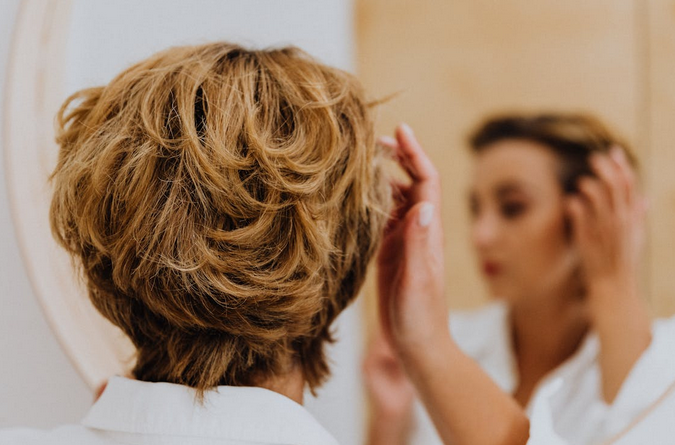
Just because it looked great on her doesn’t mean it’ll sit the same on you. Face shape, neck length, and hairline all play a role. A common misstep is choosing a cut based only on trend, not personal proportion. A pixie too short can make round cheeks look puffier. A bob too blunt can box in a narrow jaw. Before committing, have a real talk with your stylist.
Forgetting That Short Hair Still Needs Effort
There’s this myth that short hair needs low maintenance. Sure, it dries faster. But that doesn’t mean you can ignore it. You’ll need more frequent trims. More intentional styling. And yes, more mornings where you realize bedhead isn’t just a figure of speech.
Trying to Style It Like Long Hair
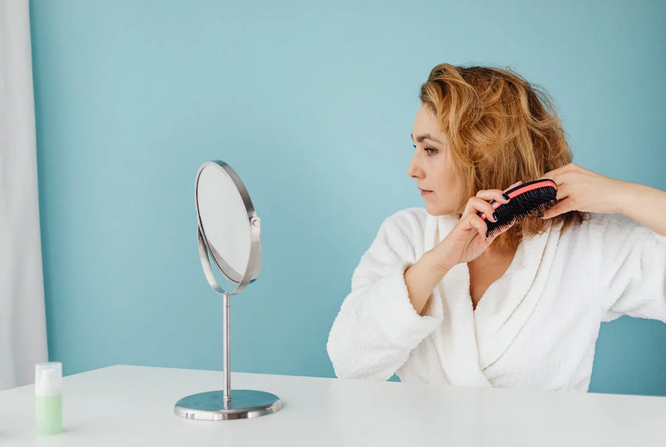
Lazy styling turns edgy cuts into accidental ones. What’s meant to look sharp ends up looking half-done. Or worse, like you cut it yourself with kitchen scissors at 2 a.m. If you’re still using round brushes, heat rollers, or layering mousse like you’ve got ten inches to work with, just stop. Short hair requires different tools, different logic. It’s about shape, not flow. The goal isn’t to mimic long hair. It’s to embrace what short hair does best: structure, angles, texture. Trying to force it into your old routine only sets you up for disappointment.
A great short haircut is bold, smart, and expressive, but it doesn’t style itself. If your cut isn’t clicking, it’s not a sign you chose wrong. Maybe you just need to switch up your approach. Less product. More honesty about what works for your hair. And above all, a little patience. Because when short hair works, it really works. But when it doesn’t? It usually just needs less panic and more practice.